Rucking Calorie Calculator
Discover exactly how many calories you'll torch during your weighted backpack workouts


How Rucking Calorie Calculator Works
This calculator estimates how many calories you burn while rucking — walking or hiking with a weighted backpack. It takes into account your body weight, pack weight, pace, terrain difficulty, and gradient to give you accurate calorie burn estimates both per hour and for your total session.
Rucking burns 2-3 times more calories than regular walking because the added weight forces your body to work harder. The calculation uses a sophisticated formula based on the Pandolf Equation, originally developed by the US Military in the 1970s and updated with modern research to account for load carriage.
The calculator factors in terrain difficulty — from smooth pavement to challenging snow conditions — since different surfaces dramatically affect energy expenditure. A slight gradient can also significantly increase your calorie burn, making uphill rucking an incredibly efficient workout.
Beyond just calorie counting, this tool helps you plan effective rucking workouts for weight loss, fitness goals, or military training preparation. Many people find rucking more sustainable than high-intensity workouts because it's easier on the joints while still delivering serious results.
Rucking Calorie Calculator Formula Breakdown
Formula
Calories burned per hour = Complex metabolic calculation based on body weight, pack weight, walking speed, terrain difficulty, and gradient
Total calories burned = (Calories per hour) × (Total time in hours)
The formula accounts for the metabolic cost of carrying weight, terrain resistance, and the additional energy required for inclined walking
Variables Explained
- WeightYour body weight in pounds, which serves as the baseline for calculating energy expenditure. Heavier individuals naturally burn more calories during the same activity.
- Ruck weightThe weight of your loaded backpack in pounds. This is typically 20-50 lbs for fitness rucking, though military training may use heavier loads. Don't add this to your body weight — the calculator handles it separately.
- Total timeDuration of your rucking session in minutes. Most beginners start with 30-60 minute sessions, while experienced ruckers might go for 2+ hours.
- Average paceYour walking speed in minutes per mile. Military standard is typically 15 minutes/mile (4 mph), while beginners often start at 20 minutes/mile (3 mph). Faster pace = more calories burned.
- GradientThe average incline or decline of your route as a percentage. Flat terrain is 0%, while hiking trails might be 5-15%. Even small gradients significantly increase calorie burn.
- TerrainSurface type affects how much energy you expend. Pavement is easiest, while sand and snow require much more effort. Trail conditions fall somewhere in between and add variety to your workout.
Example Calculation
Given:
- Weight: 170 lbs
- Ruck weight: 30 lbs
- Total time: 90 minutes
- Average pace: 15 minutes/mile
- Gradient: 2%
- Terrain: Pavement
Calculation:
Base metabolic calculation: 170 lb person at 4 mph pace = ~400 calories/hour baseline
Added pack weight factor: 30 lbs increases energy expenditure by ~35%
Terrain and gradient adjustment: 2% incline on pavement adds ~15% more effort
Hourly calorie burn: ~620 calories per hour
Total session: 620 × 1.5 hours = 930 calories
Result:
930 kcalExplanation
This example represents a solid intermediate rucking workout — a 90-minute session with a moderate 30-pound pack at military standard pace. This person would burn nearly 1,000 calories, equivalent to about 3 slices of pizza, making it an extremely effective workout for weight management and fitness.
Tips for Using Rucking Calorie Calculator
- 💡Start with 20-30 lbs at a 15-20 minute/mile pace if you're new to rucking, then gradually increase weight and speed as your fitness improves.
- 💡Choose varied terrain when possible — trails, hills, and different surfaces will boost calorie burn and make workouts more engaging than just walking on pavement.
- 💡Track your pace and weight consistently to monitor progress, but remember these are estimates — individual metabolism, fitness level, and walking efficiency all affect actual calories burned.
See How Businesses Use Calculators Like This
Make Your Own Web Calculator in 3 Simple Steps
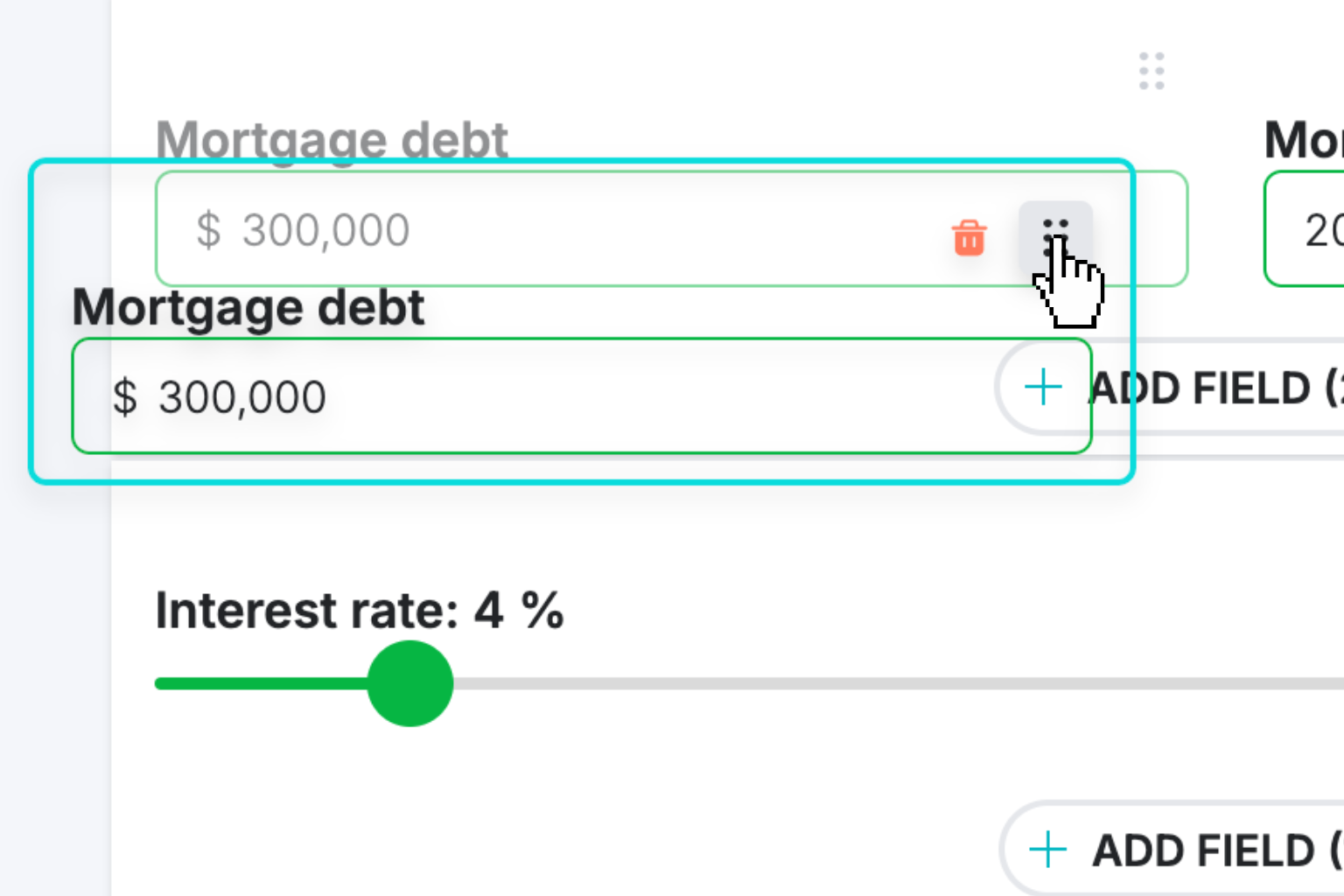
Create Interactive Calculator
Design your interactive calculator in under 5 minutes using our drag-and-drop builder.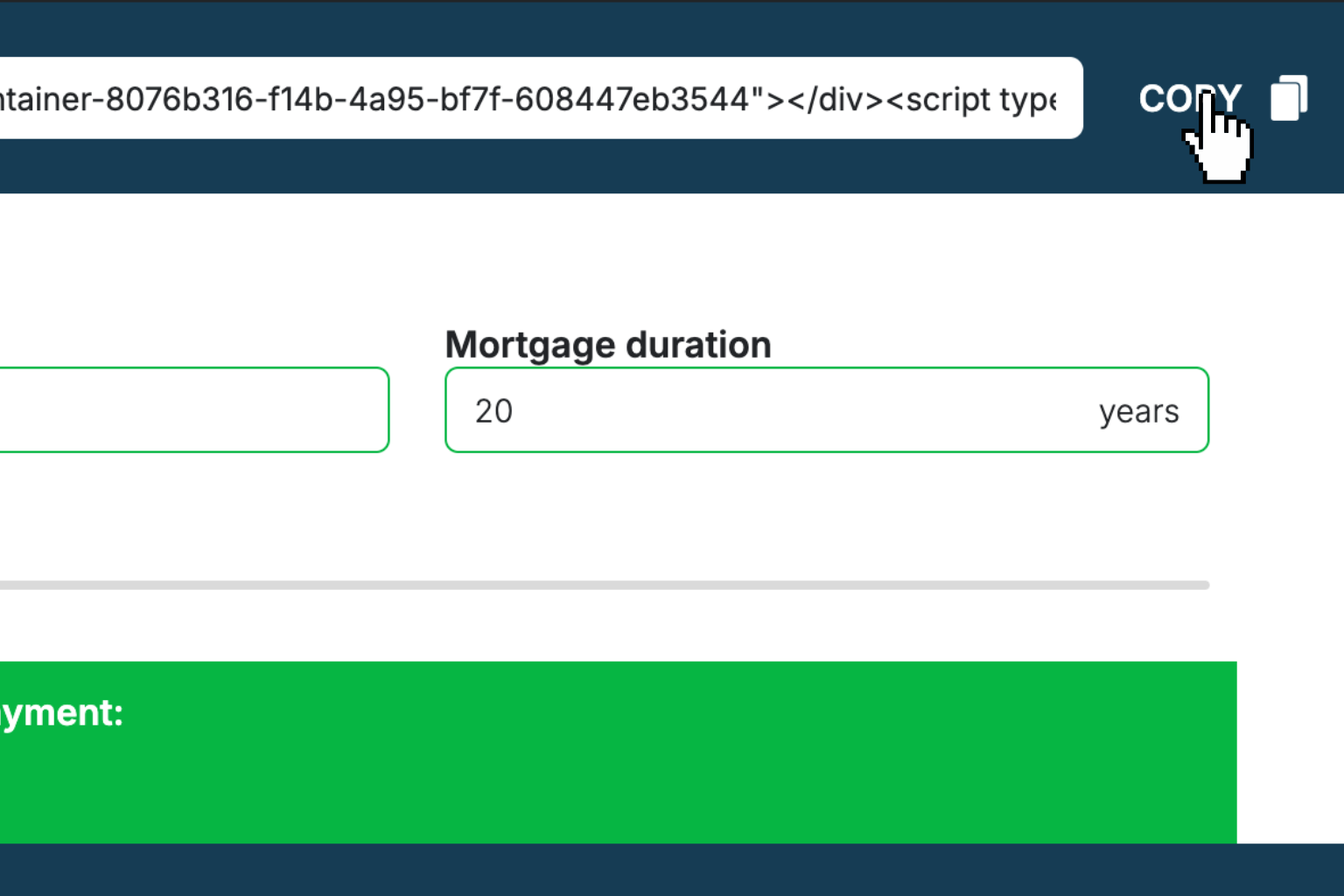
Preview & Generate Embed Code
Review your calculator and copy the embed script when you're satisfied with the results.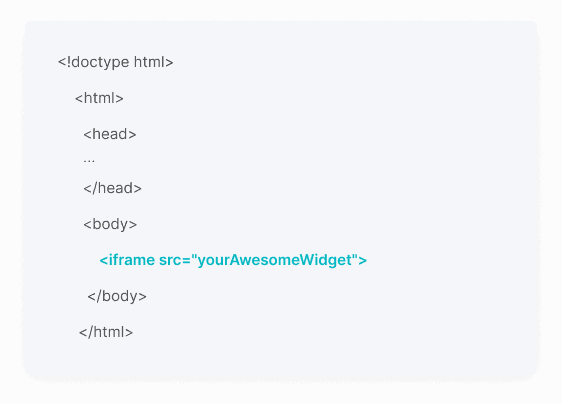
Embed Calculator Into Your Website
Paste the code into your website's HTML. Works on WordPress, Shopify, Wix, and any platform.Works With Any Platform
 EugenCreator of Creative Widgets
“After 10+ years in digital marketing, I’ve built calculators that drove thousands of new leads for clients. I realized one thing: calculators convert. They're killer for CRO and great for SEO. That's why I built Creative Widgets—an easy, no-code calculator builder. ”
It's free. Try it out. You'll like it.