Comparative Advantage Calculator
Compare trade advantages between countries and see which products each should specialize in producing.


How Comparative Advantage Calculator Works
Comparative advantage helps determine which goods countries should produce and trade to maximize economic benefits for both parties. This calculator compares the production efficiency of two countries making two different products, showing you the relative opportunity costs that drive smart trade decisions.
The theory, developed by economist David Ricardo in 1817, proves that even if one country produces both goods more efficiently than another (has absolute advantage), both countries can still benefit from trade if they specialize in what they do relatively better. It's all about opportunity cost - what you give up to produce something else.
By entering each country's output per unit of labor, the calculator reveals which country has the comparative advantage in each product. The results show the opportunity cost ratios that determine optimal specialization and trade patterns.
Countries should export goods where they have comparative advantage (lower opportunity cost) and import goods where they have comparative disadvantage (higher opportunity cost). This leads to increased total output and consumption for both trading partners.
Comparative Advantage Calculator Formula Breakdown
Formula
Comparative advantage for Product A = Output per labor unit for Product A ÷ Output per labor unit for Product B
Comparative advantage for Product B = Output per labor unit for Product B ÷ Output per labor unit for Product A
Variables Explained
- Country X Output per Unit of Labor for Product AThe quantity of Product A that one unit of labor (such as one worker or one hour of work) can produce in Country X. This data typically comes from productivity statistics, manufacturing reports, or economic surveys measuring worker output.
- Country X Output per Unit of Labor for Product BThe quantity of Product B that one unit of labor can produce in Country X. This should use the same labor measurement unit as Product A to ensure accurate opportunity cost comparisons.
- Country Y Output per Unit of Labor for Product AThe quantity of Product A that one unit of labor can produce in Country Y. This allows direct productivity comparison with Country X for determining which has the absolute advantage in Product A production.
- Country Y Output per Unit of Labor for Product BThe quantity of Product B that one unit of labor can produce in Country Y. Combined with other inputs, this determines the comparative advantage patterns between the two countries.
Example Calculation
Given:
- Country X Output per Unit of Labor for Product A: 23 units
- Country X Output per Unit of Labor for Product B: 12 units
- Country Y Output per Unit of Labor for Product A: 10 units
- Country Y Output per Unit of Labor for Product B: 20 units
Calculation:
Country X comparative advantage in Product A: 23 ÷ 12 = 1.92
Country X comparative advantage in Product B: 12 ÷ 23 = 0.52
Country Y comparative advantage in Product A: 10 ÷ 20 = 0.50
Country Y comparative advantage in Product B: 20 ÷ 10 = 2.00
Result:
Country X has comparative advantage in Product A (1.92 vs 0.50). Country Y has comparative advantage in Product B (2.00 vs 0.52).Explanation
This example shows two countries with different productivity levels. Country X can produce more of Product A per labor unit (23 vs 10), while Country Y excels at Product B (20 vs 12). The opportunity cost analysis reveals that Country X should specialize in Product A and Country Y should specialize in Product B, even though Country X has absolute advantage in Product A.
Tips for Using Comparative Advantage Calculator
- 💡Use consistent labor measurement units (workers, hours, etc.) across all inputs to ensure accurate opportunity cost calculations.
- 💡Remember that comparative advantage differs from absolute advantage - a country can benefit from trade even if it's less efficient at producing both goods.
- 💡Consider updating productivity data regularly since technological changes and economic developments can shift comparative advantages over time.
See How Businesses Use Calculators Like This
Order Forms
Customers want a price now, not a consultation call. Every reply-all is another chance for them to ghost you. Interactive order forms with instant pricing and Stripe payments turn browsers into buyers on the spot.
Pricing Calculators
Half of B2B buyers eliminate vendors who hide pricing. Your sales reps waste hours quoting in spreadsheets. Interactive pricing calculators let prospects configure, compare, and self-qualify — 24/7.
Marketing Calculators
Your ebooks get downloaded and never opened. Your blog gets traffic but zero leads. ROI, ROAS, and ad spend calculators give visitors personalized answers — and give your sales team their budget, goals, and contact info.
ROI Calculators
Your champion loves the product but the CFO kills the deal because there's no business case. ROI and TCO calculators let prospects prove the math with their own numbers — and hand your sales team a signed business case.
Make Your Own Web Calculator in 3 Simple Steps
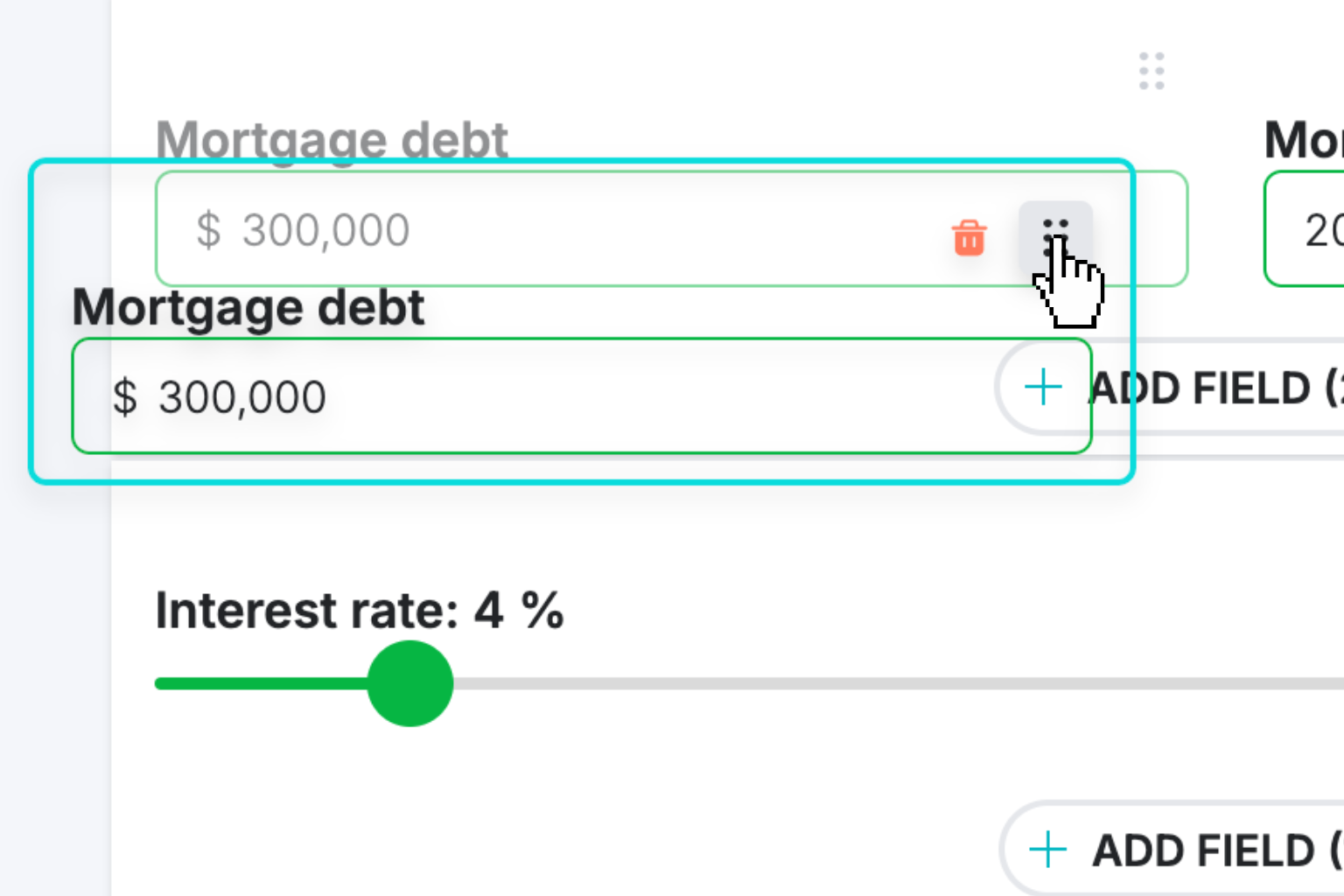
Create Interactive Calculator
Design your interactive calculator in under 5 minutes using our drag-and-drop builder.
Preview & Generate Embed Code
Review your calculator and copy the embed script when you're satisfied with the results.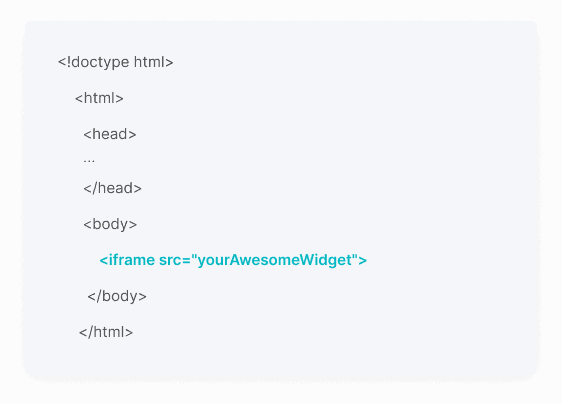
Embed Calculator Into Your Website
Paste the code into your website's HTML. Works on WordPress, Shopify, Wix, and any platform.Works With Any Platform
 EugenCreator of Creative Widgets
“After 10+ years in digital marketing, I’ve built calculators that drove thousands of new leads for clients. I realized one thing: calculators convert. They're killer for CRO and great for SEO. That's why I built Creative Widgets—an easy, no-code calculator builder. ”
It's free. Try it out. You'll like it.